Discover the main stages of construction of the Montmacq – Cambronne-lès-Ribécourt lock in video.
Currently on the construction site
August 2026
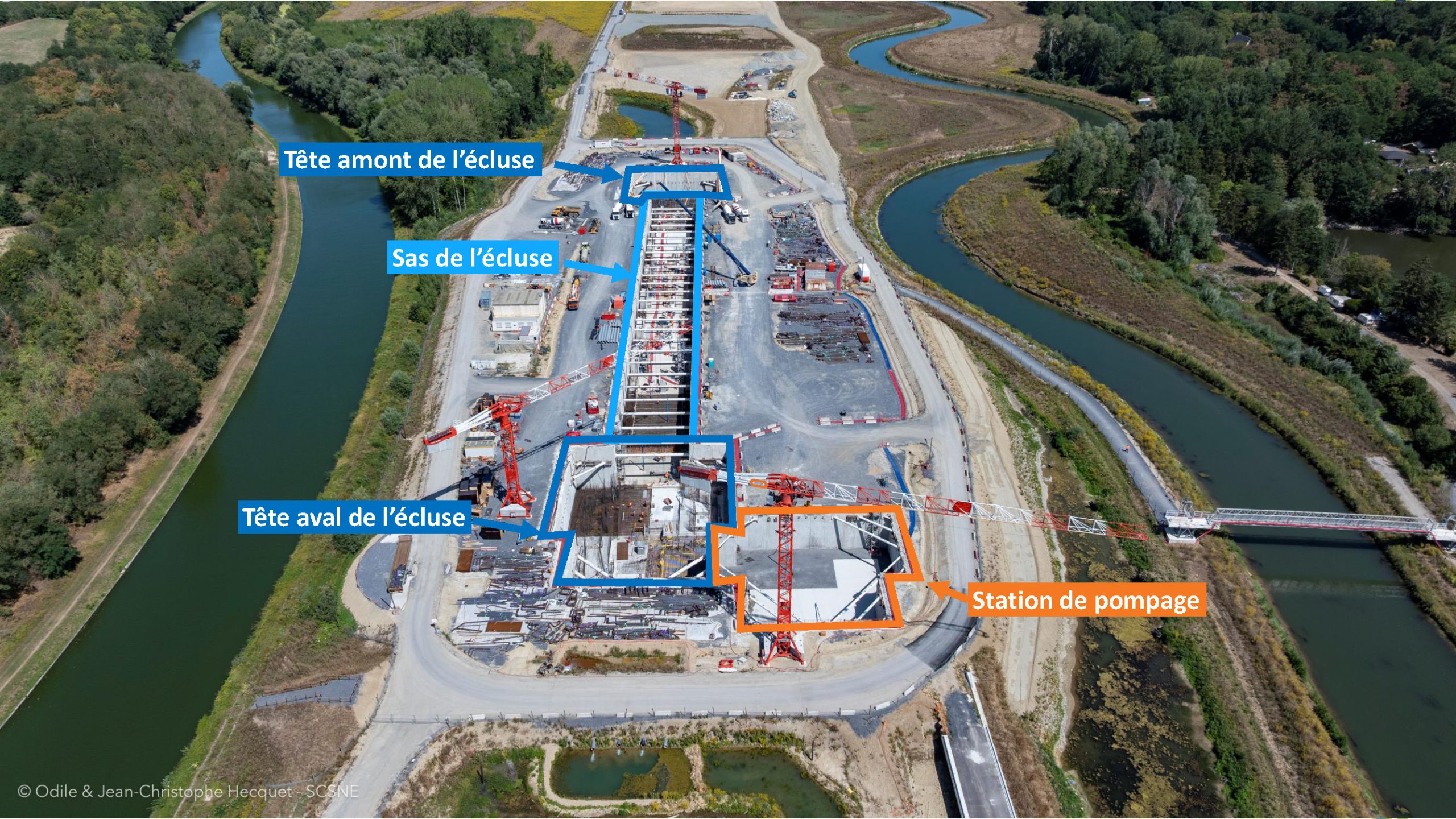
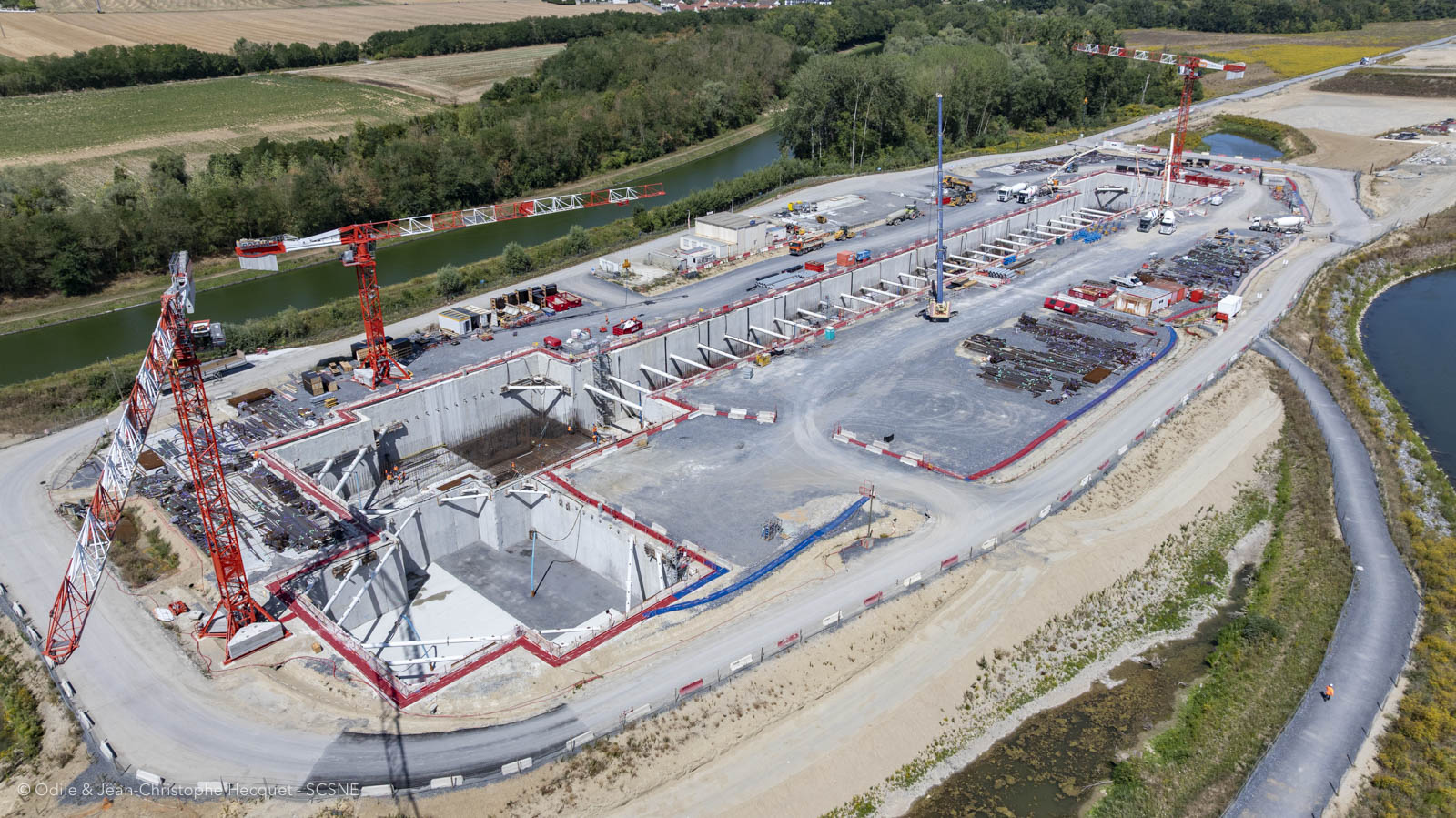
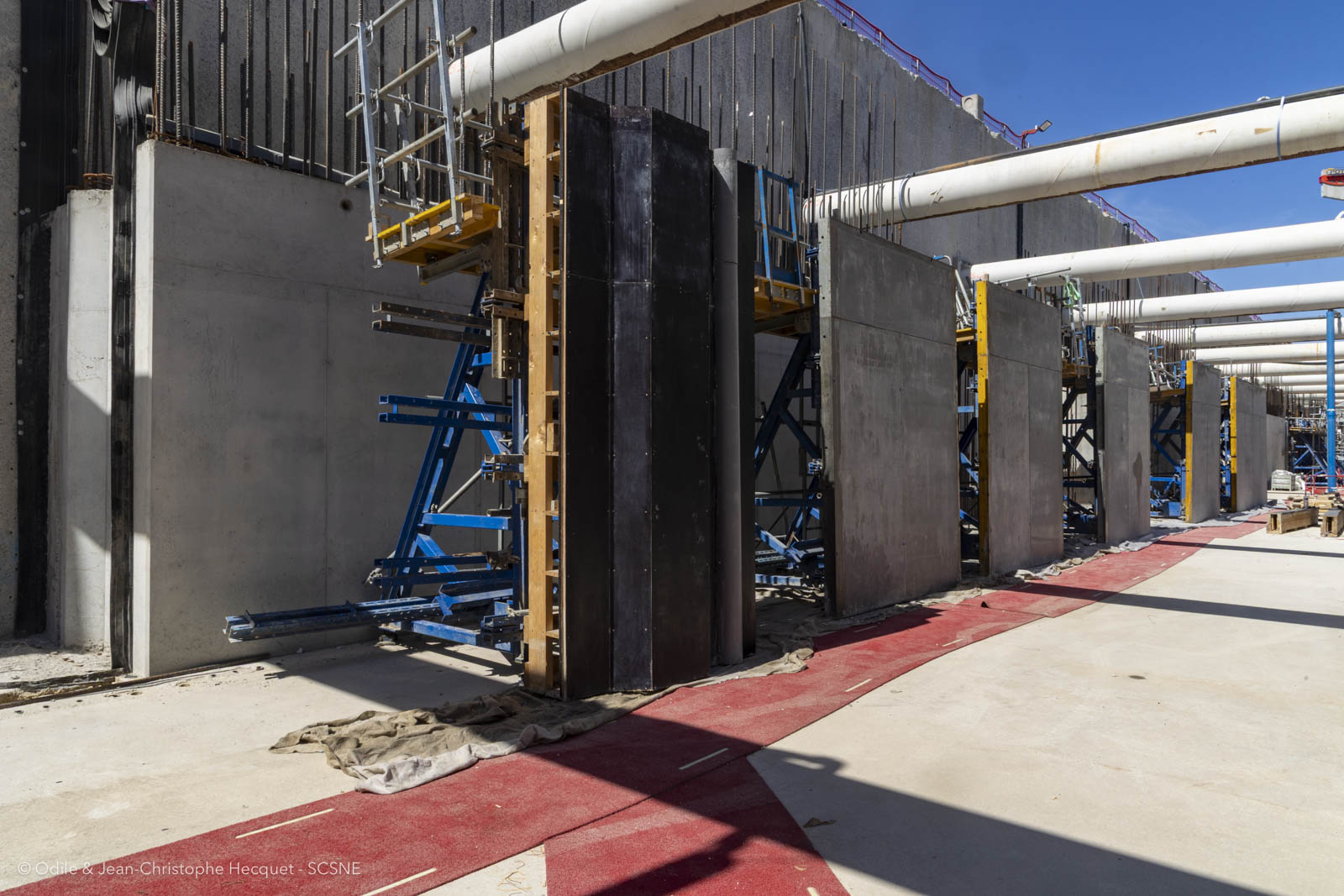
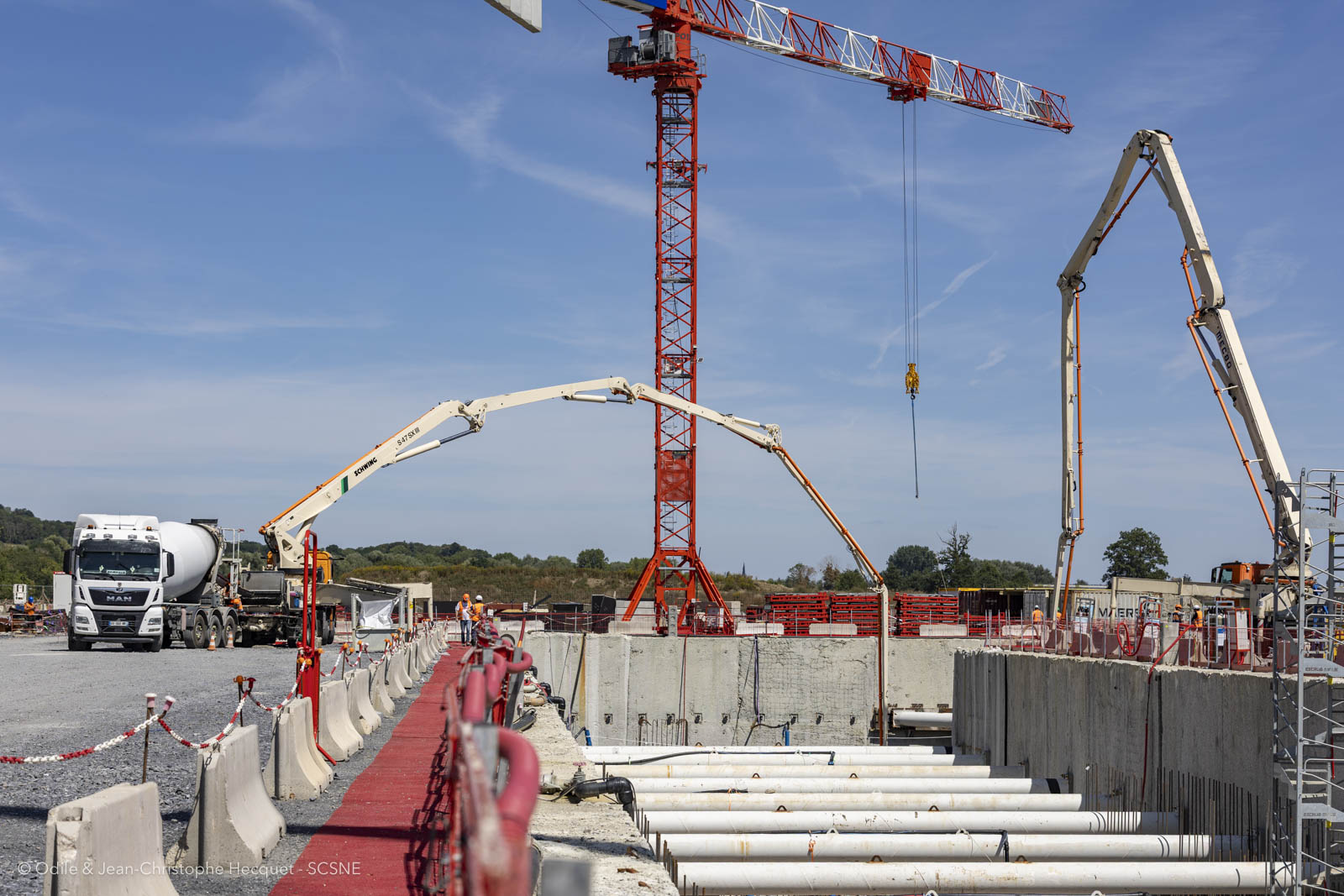
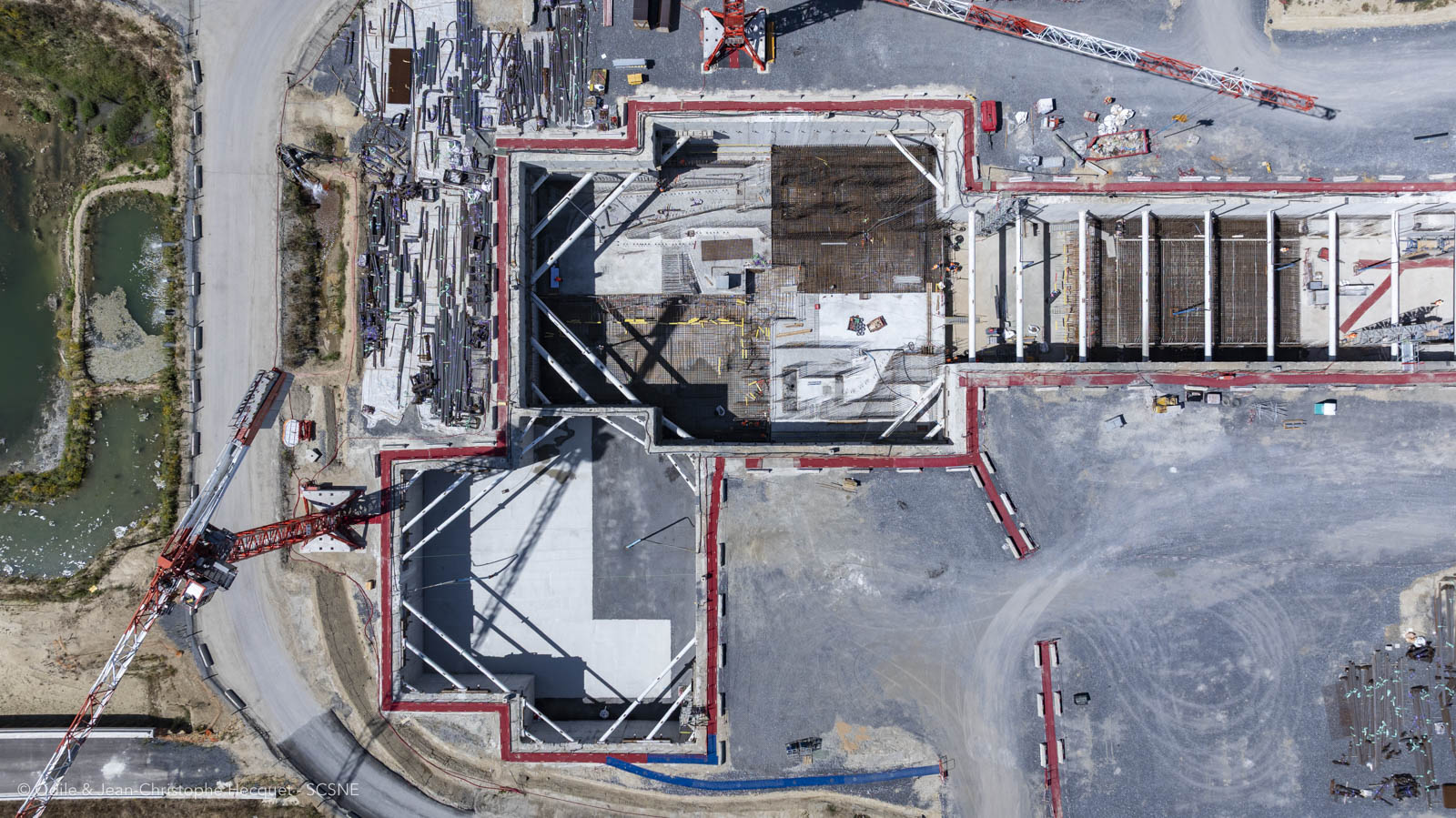
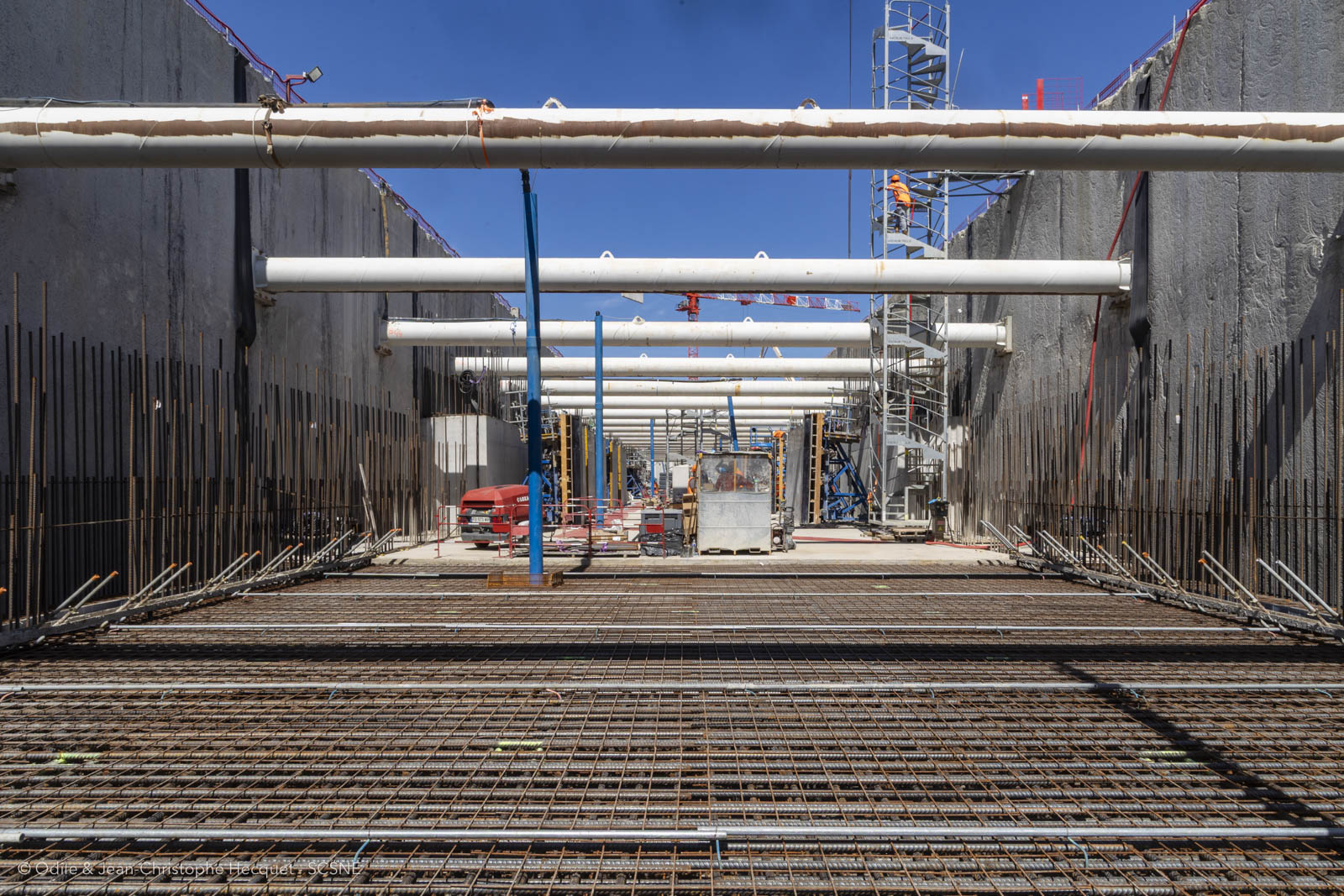
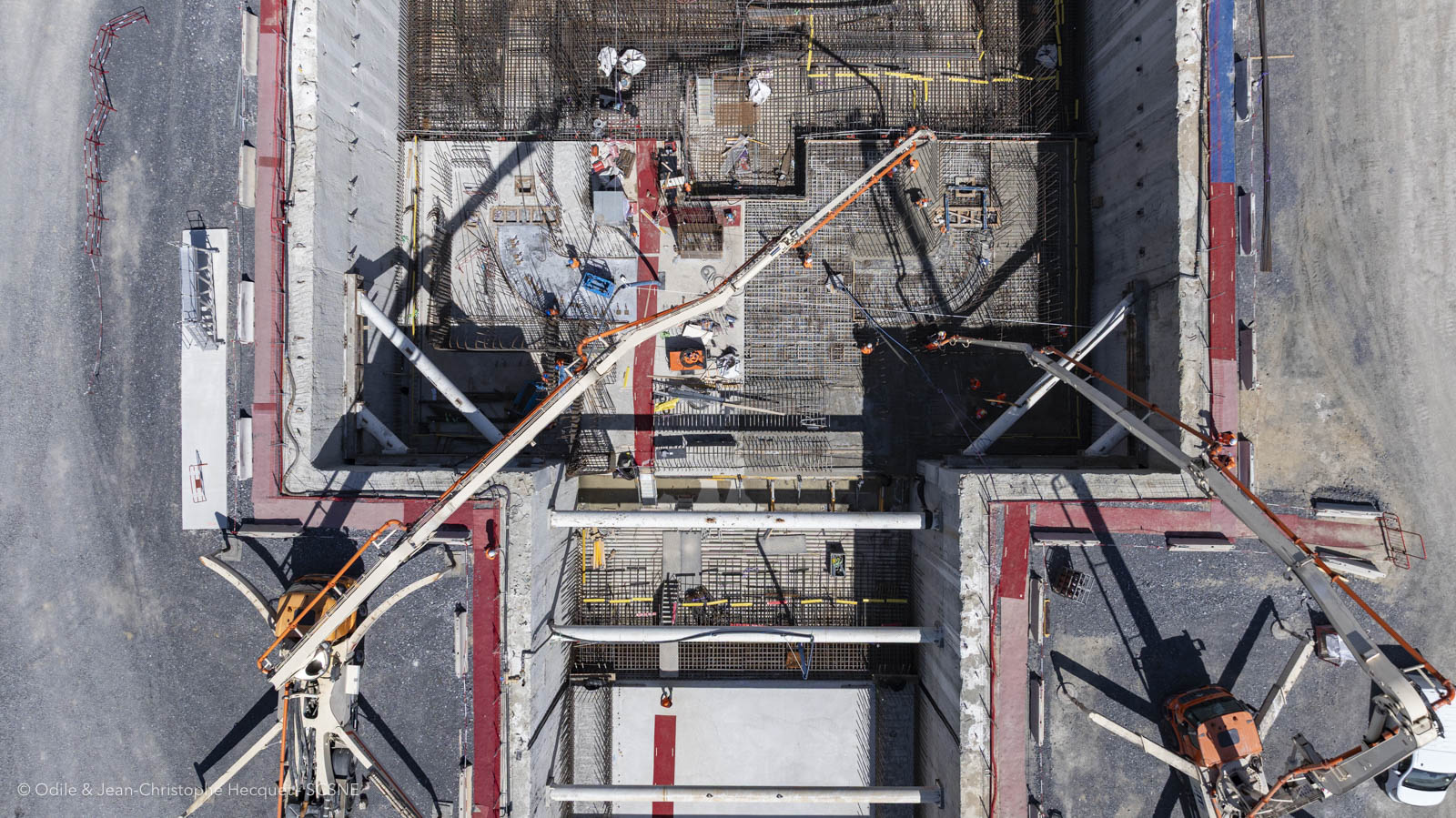
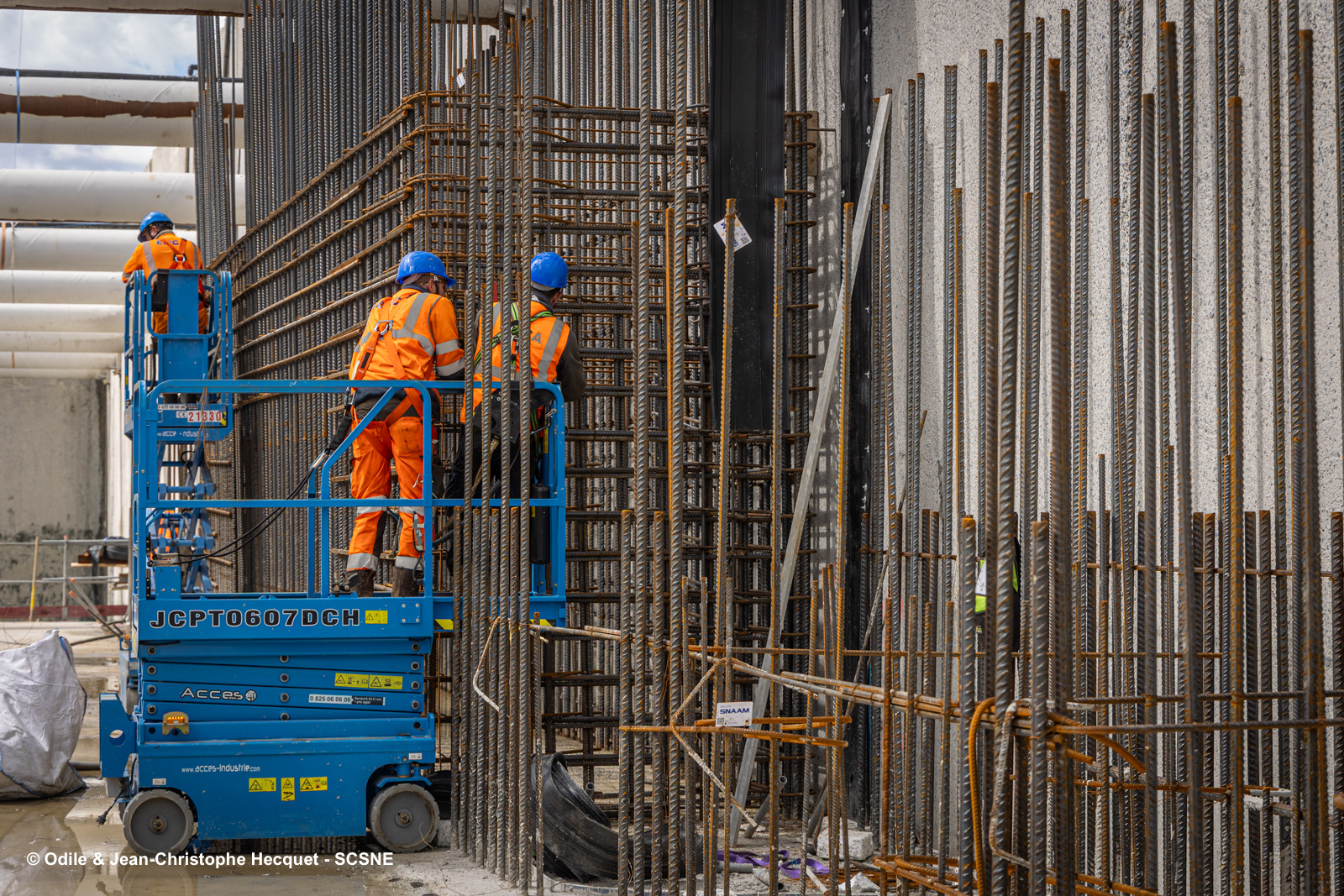
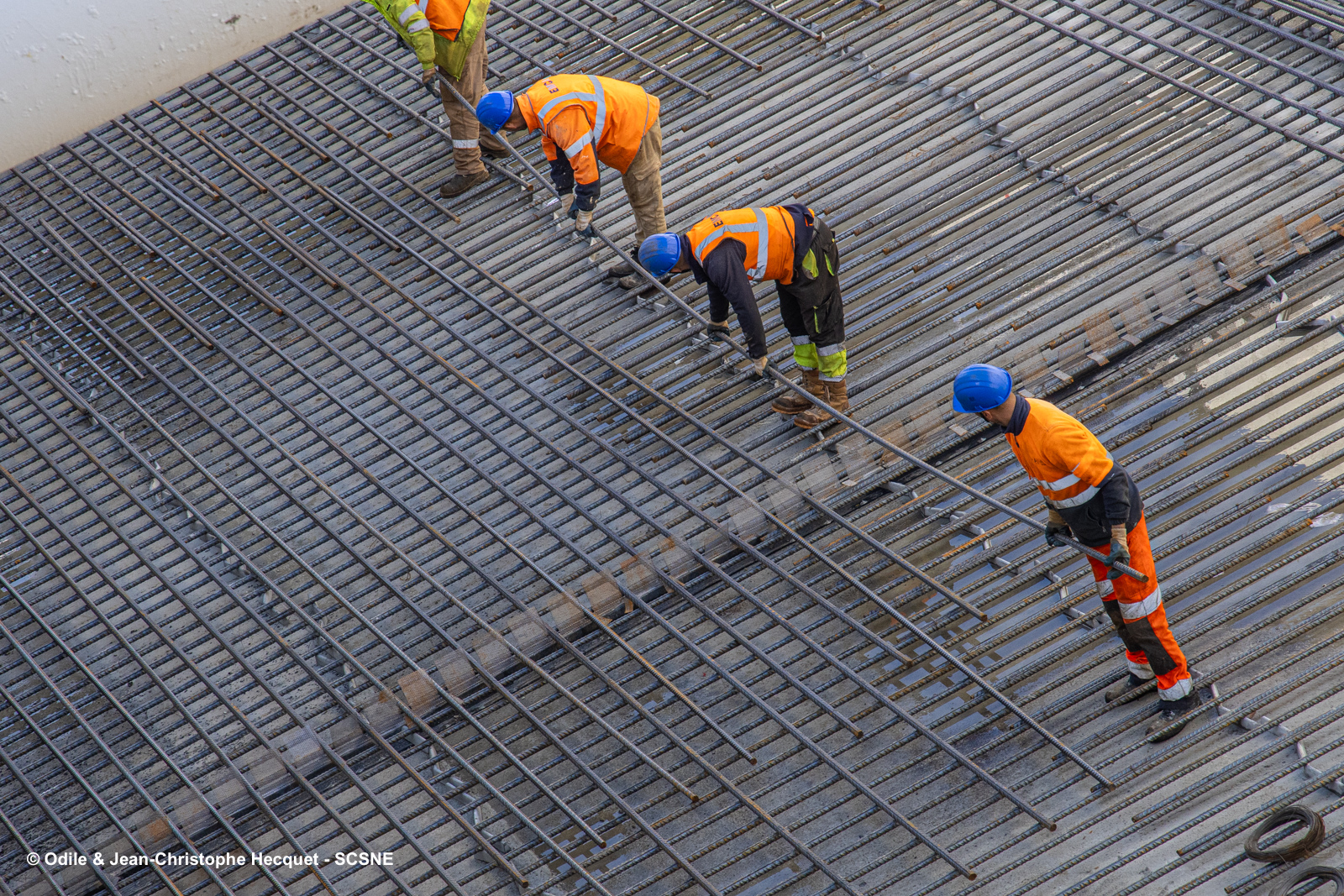
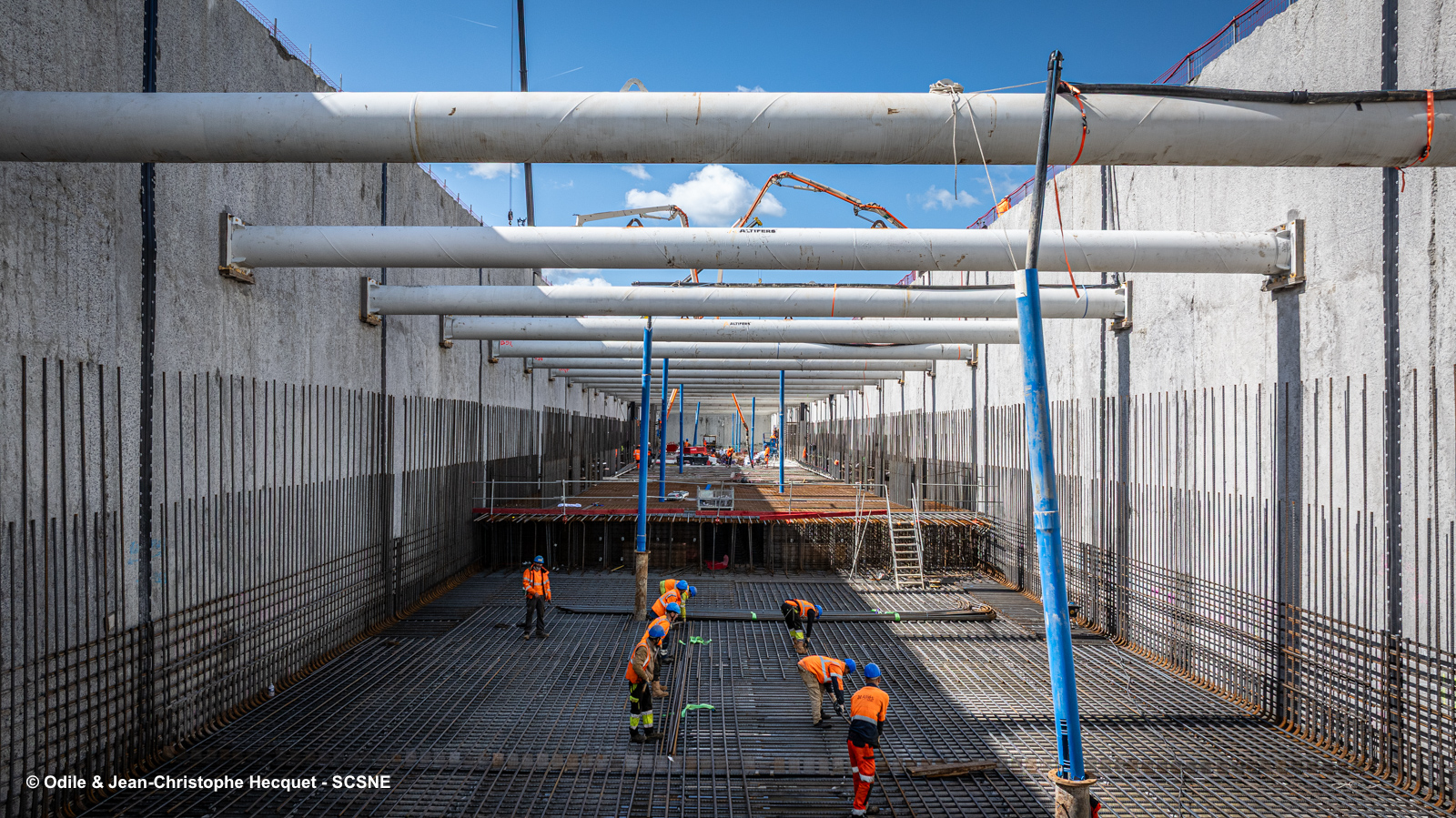
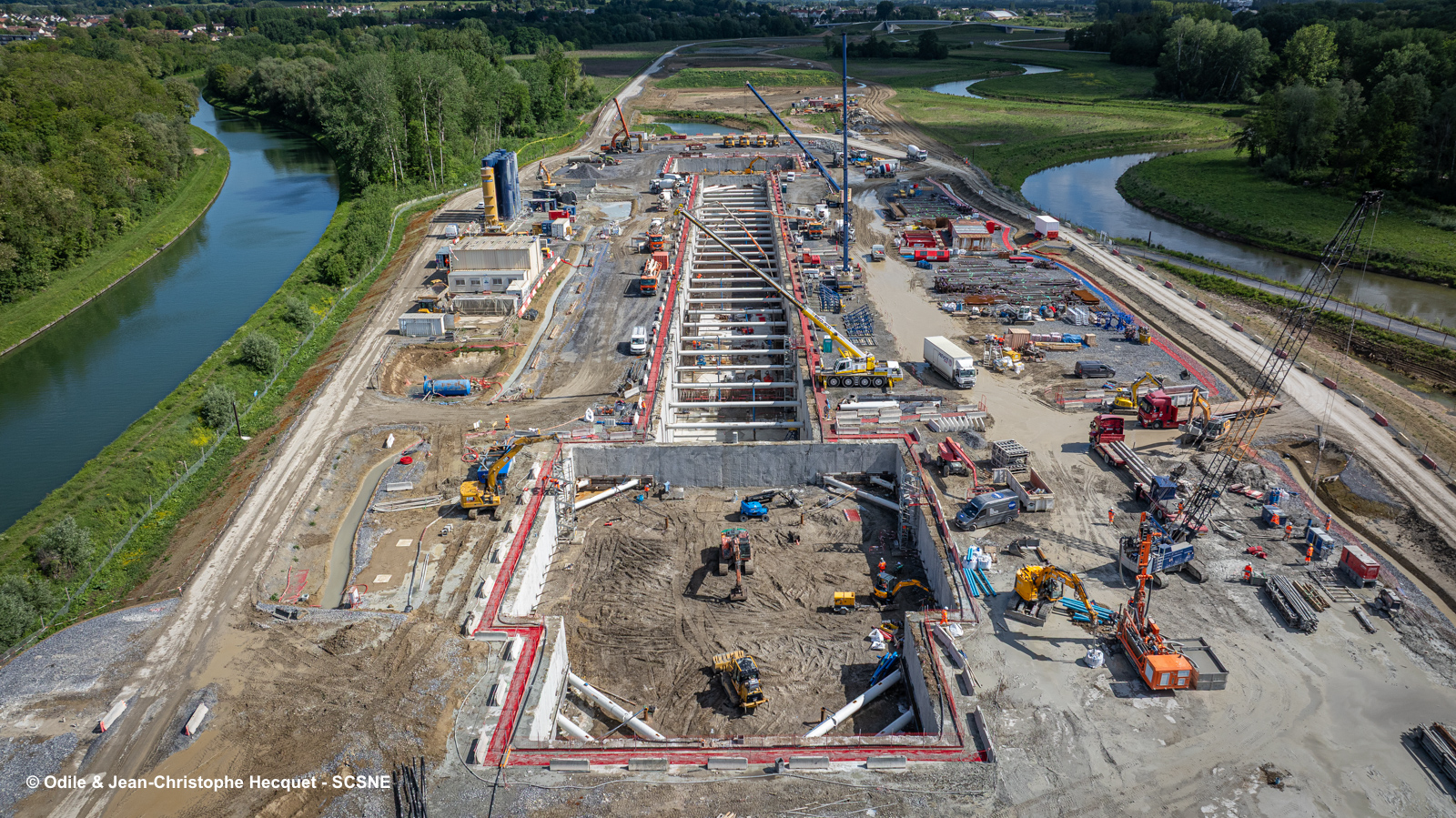
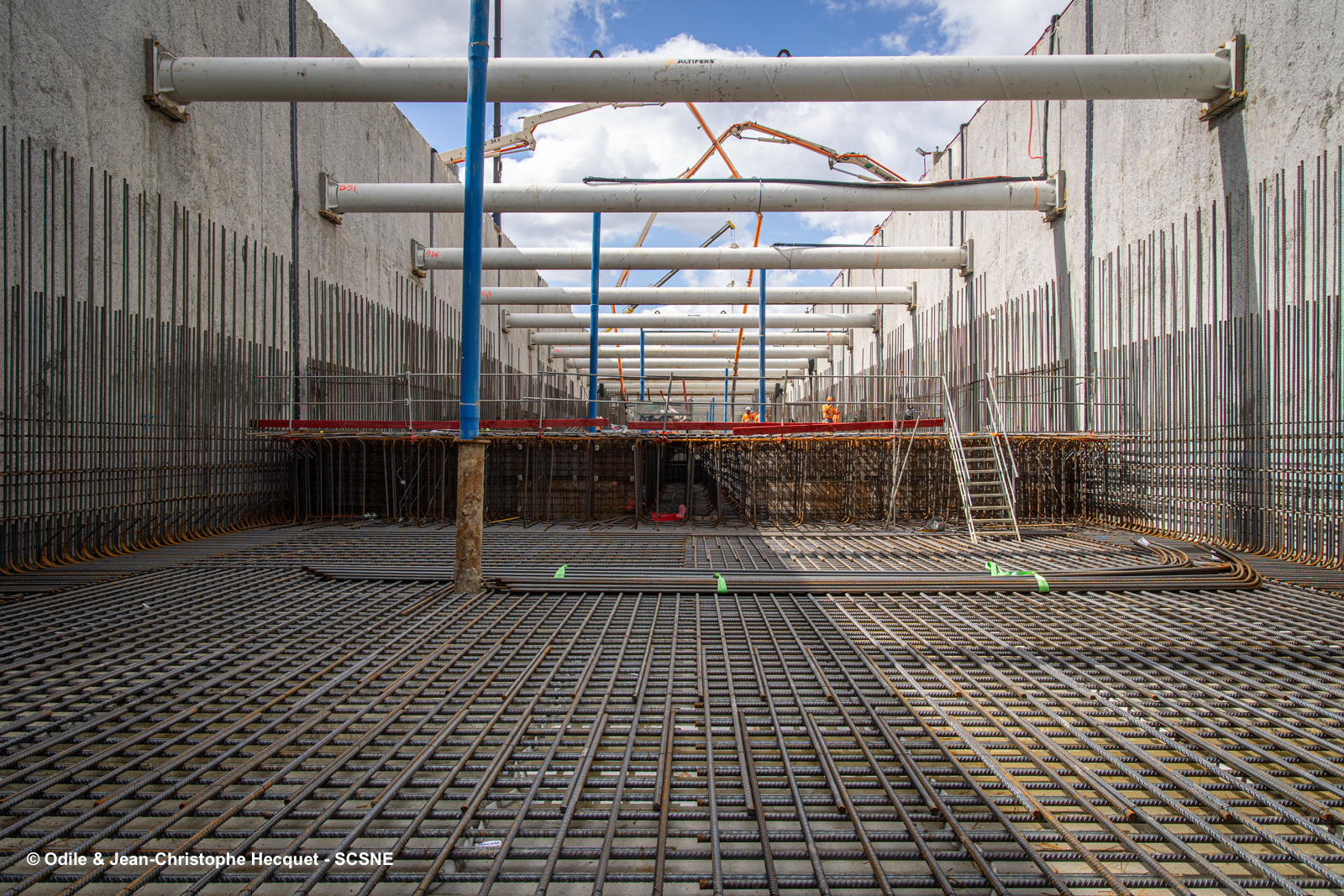
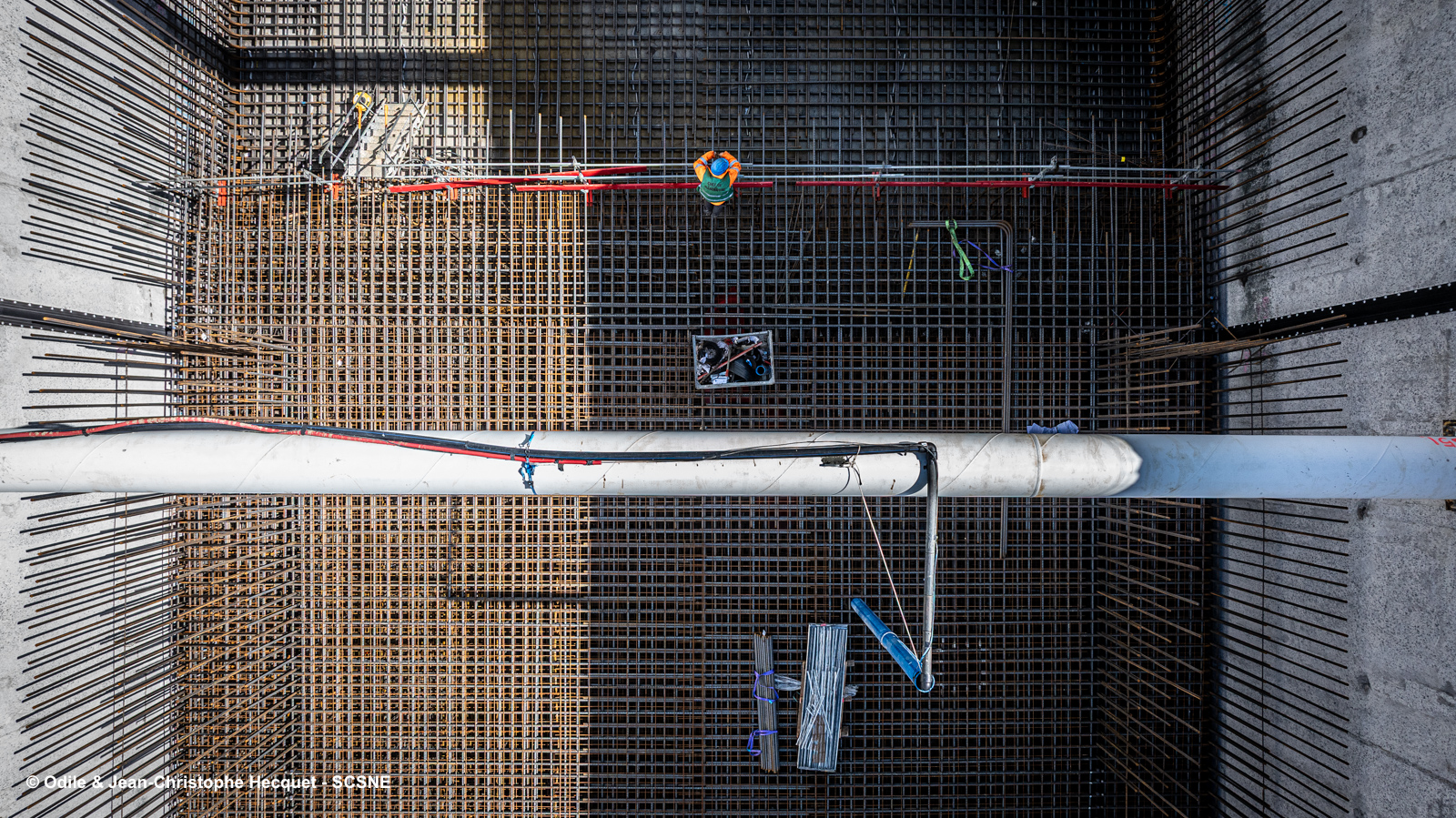
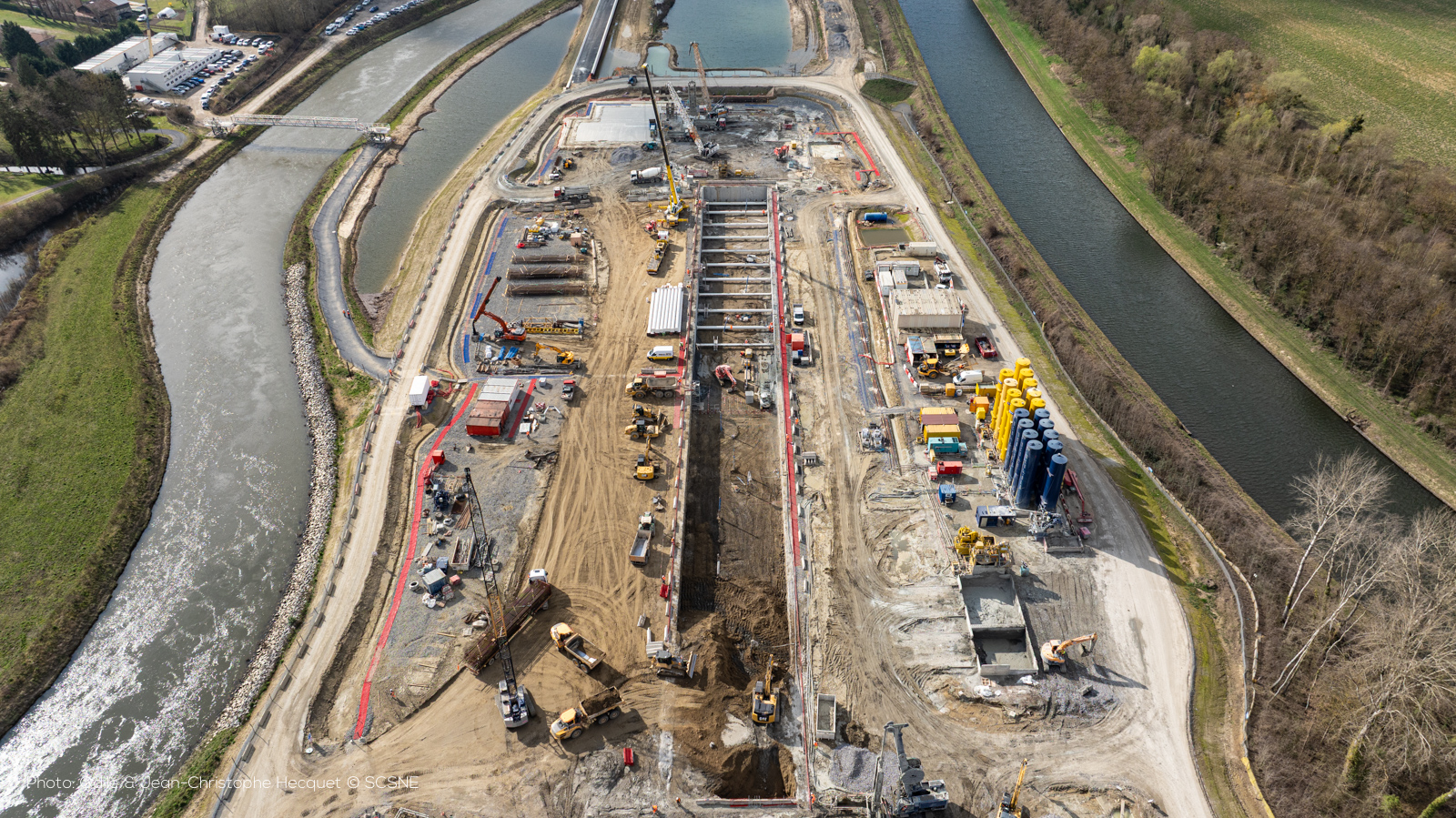
After the completion of the earthworks at the upstream end of the lock at the beginning of the summer, the civil engineering works, including the concreting of the majority of the foundations and the first raising of the lock walls, continued in July and August 2026.
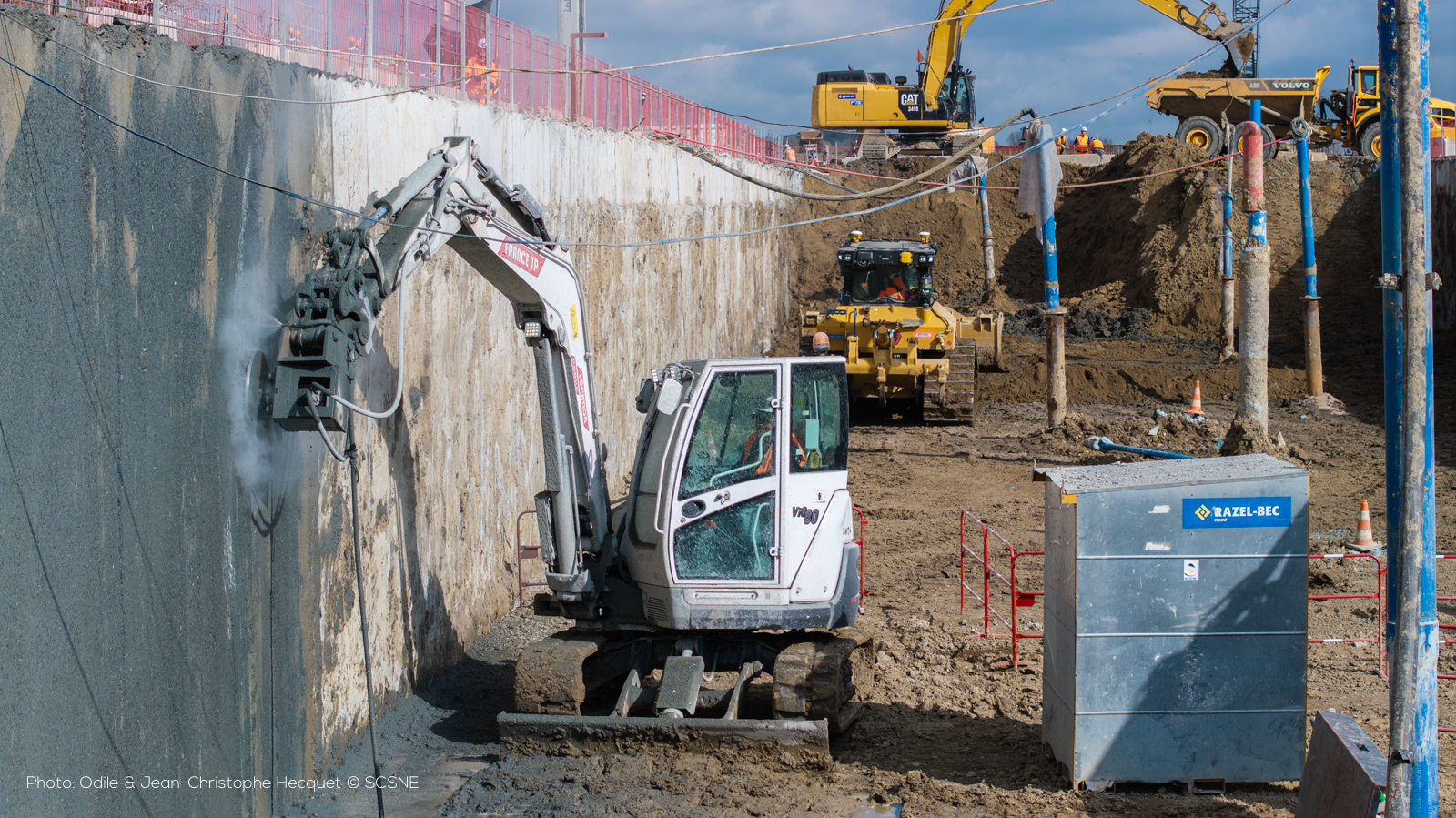
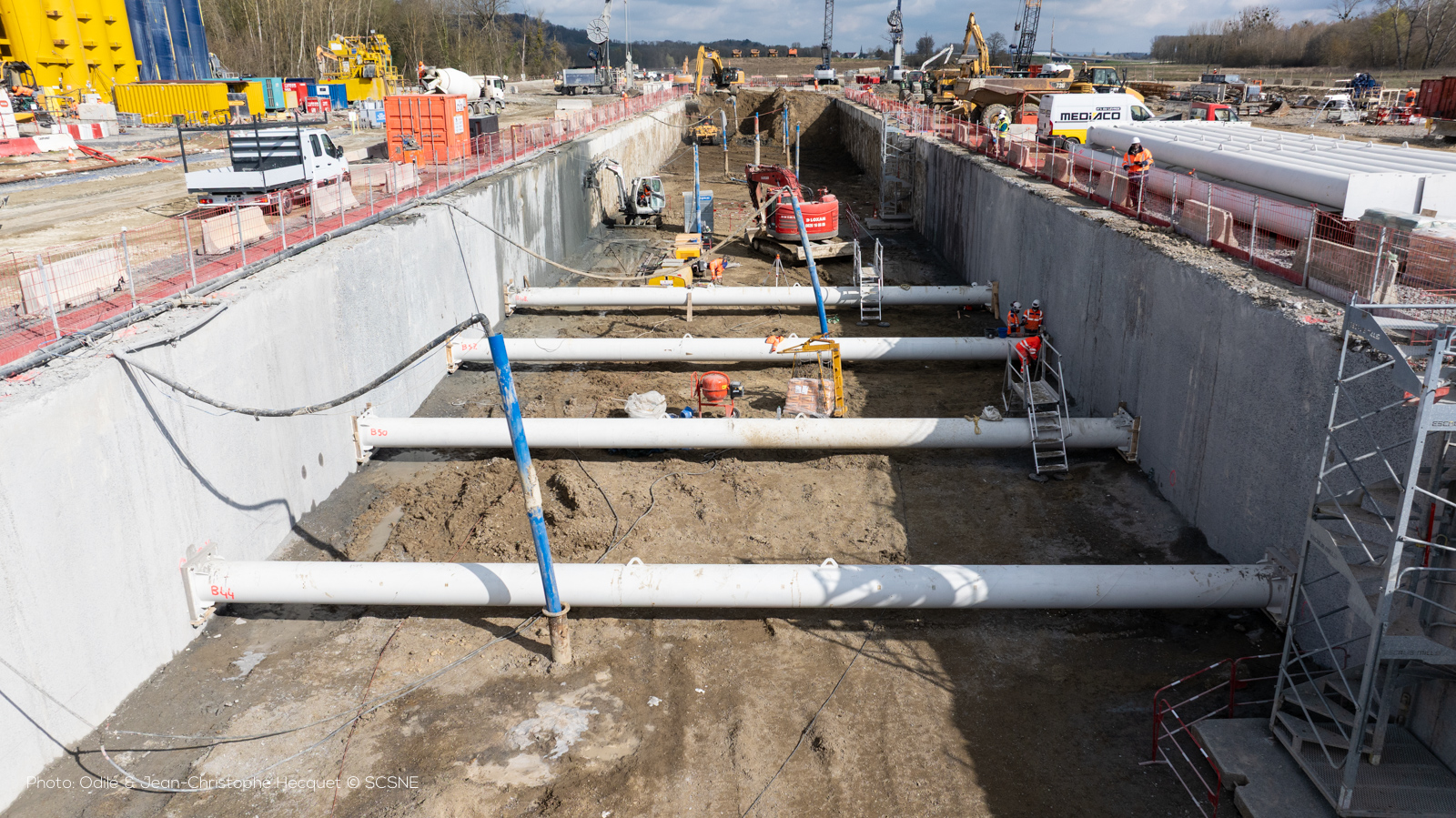
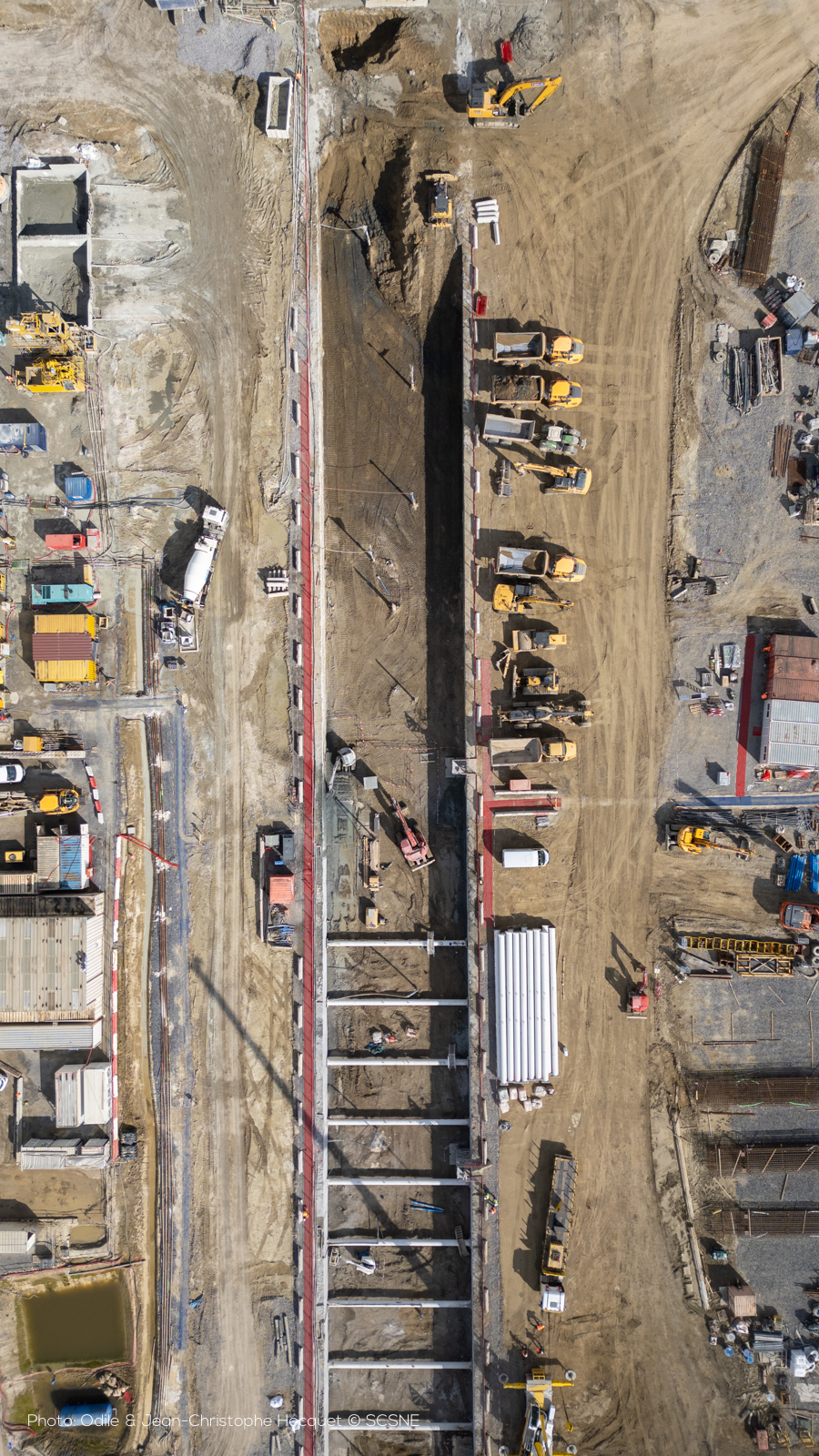
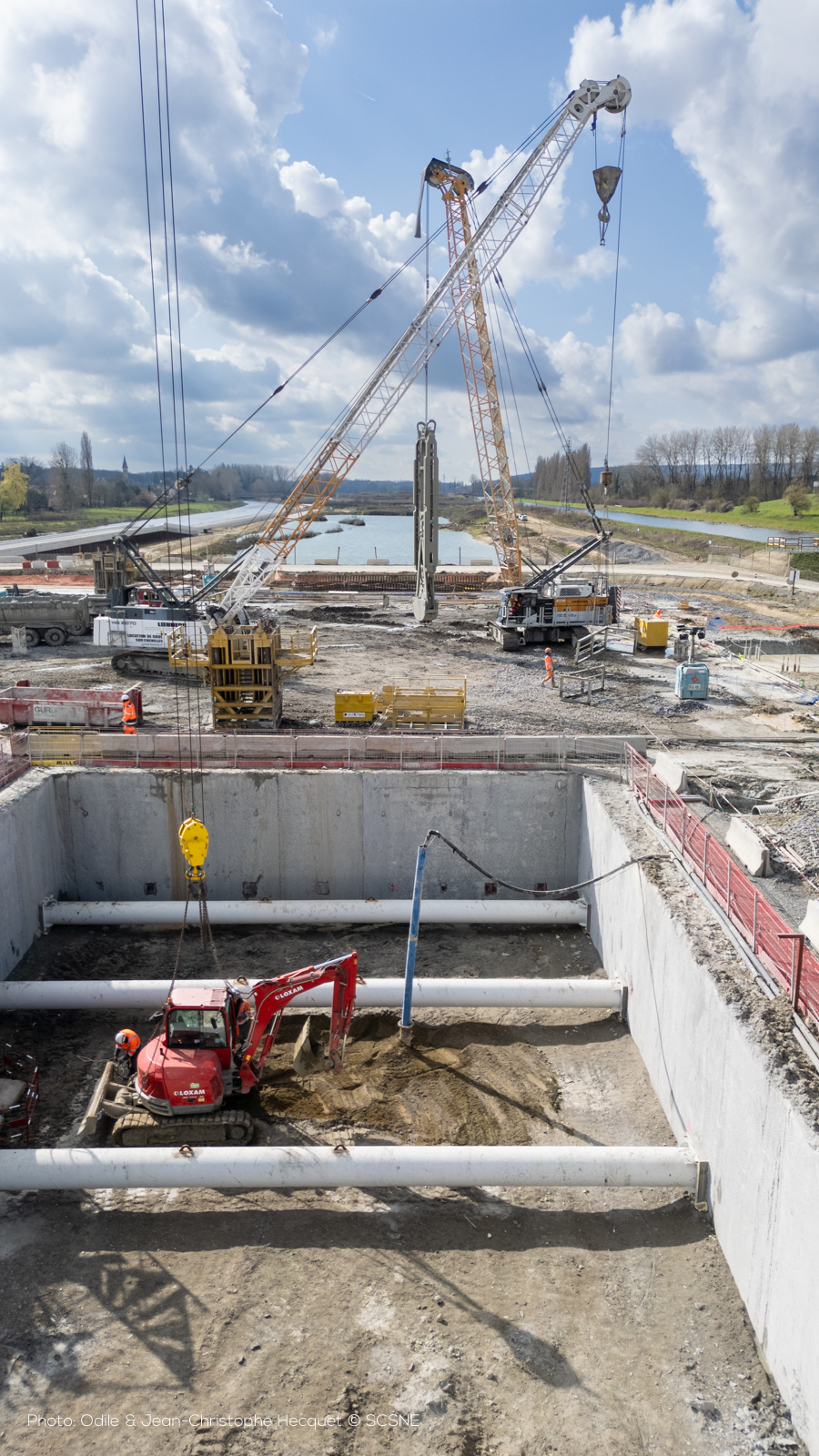
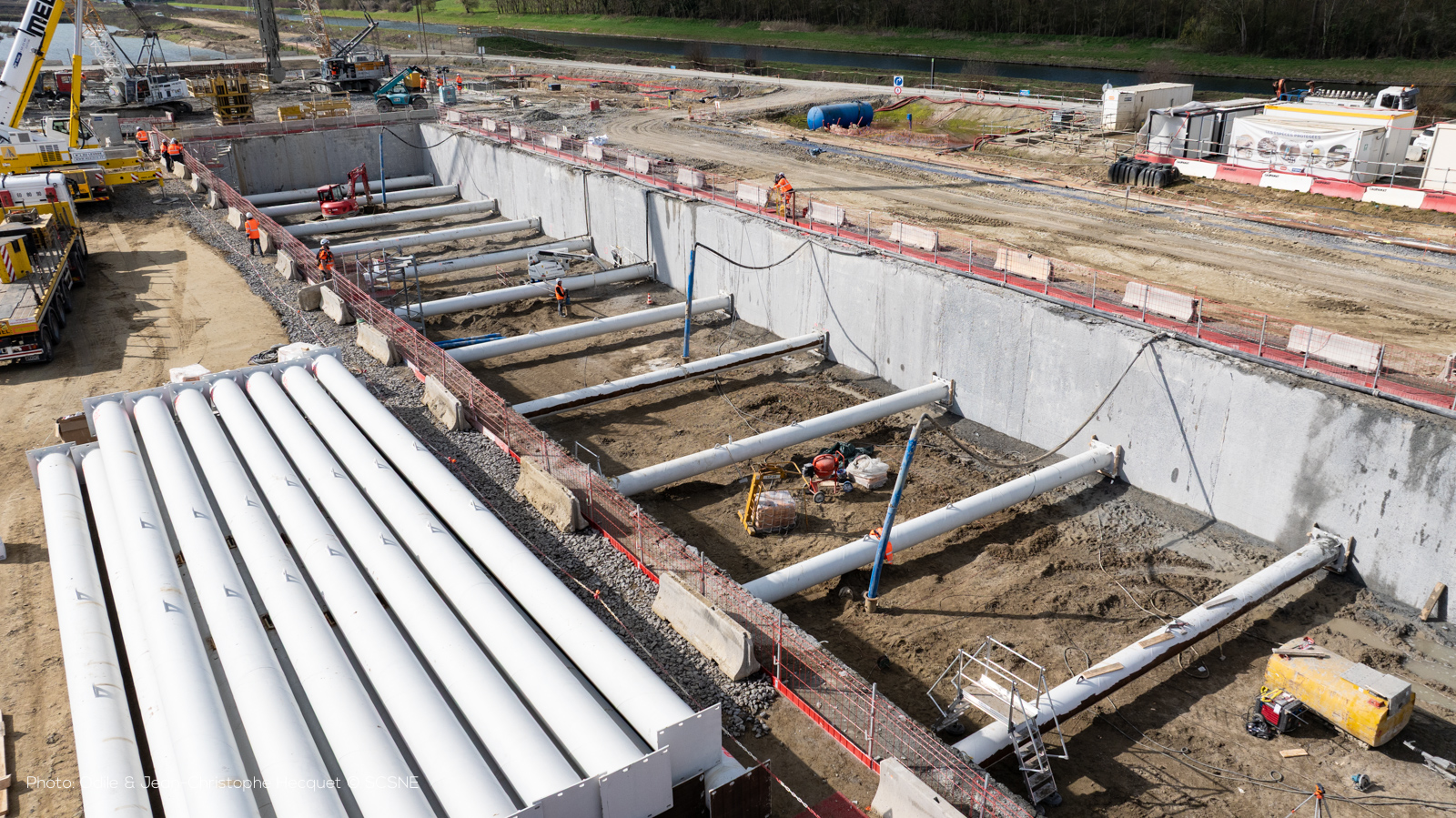
The diaphragm walls of the lock chamber were constructed between December 2025 and February 2026, after which the chamber was excavated. In April 2026, construction of the diaphragm walls for the upstream and downstream heads was underway, with the pumping station walls scheduled to follow.
This lock, located on the two communes of Montmacq and Cambronne-lès-Ribécourt, is the first on the Seine-Nord Europe Canal route . It ensures the connection of the upstream and downstream reaches of sector 1 and will allow the crossing of a difference in elevation of 6,41 meters.
It will eventually replace the two existing locks at Bellerive and Longueil-Annel. This new single crossing, combined with the widening of the waterway, will save approximately one hour of navigation time between Compiègne and Pont-L'Évêque.
It has a pumping system that will ensure the water supply for the entire Canal . And during peak flooding of the Oise, these pumps will allow some of the water to be evacuated to the different reaches of the Canal, thus helping to reduce the effects of these events.