Initiated in 2012, the Photographic Landscape Observatory is one of the monitoring tools of the Landscape and Architecture Commission of the Seine-Nord Europe Canal Environment Observatory .
Through its annual photographs, it's a valuable data collection tool for tracking landscape changes as the Canal progresses. Yannick Barbry, Environmental Engineer at the Seine-Nord Europe Canal Company , tells us more.
What is the objective of the Photographic Landscape Observatory?
Like any major infrastructure project, the Seine-Nord Europe Canal will transform the landscapes it traverses in the region. The Landscape Photographic Observatory will allow the Landscape and Architecture Commission to visually monitor these changes and verify the effectiveness of the measures implemented to ensure the Canal's successful integration into the surrounding areas.
Can you give some examples of developments aimed at this good integration into the landscape?
The key challenge is ensuring that the Canal and its structures blend as harmoniously as possible into the landscape, respecting its distinctive character, while also creating new dynamics in terms of quality of life, mobility, and tourism. This involves, for example, meticulous work on the topography and terrain to favor gentle lines. It also means planting vegetation near the locks to avoid direct views of the technical structures, and ensuring that the species chosen for these plantings are consistent with the local vegetation. The aim is for the Canal to integrate seamlessly but also to become a new landmark in the landscape. Certain visual elements have therefore been carefully considered along its entire length: the architecture of the locks and bridges, their materials and colors…
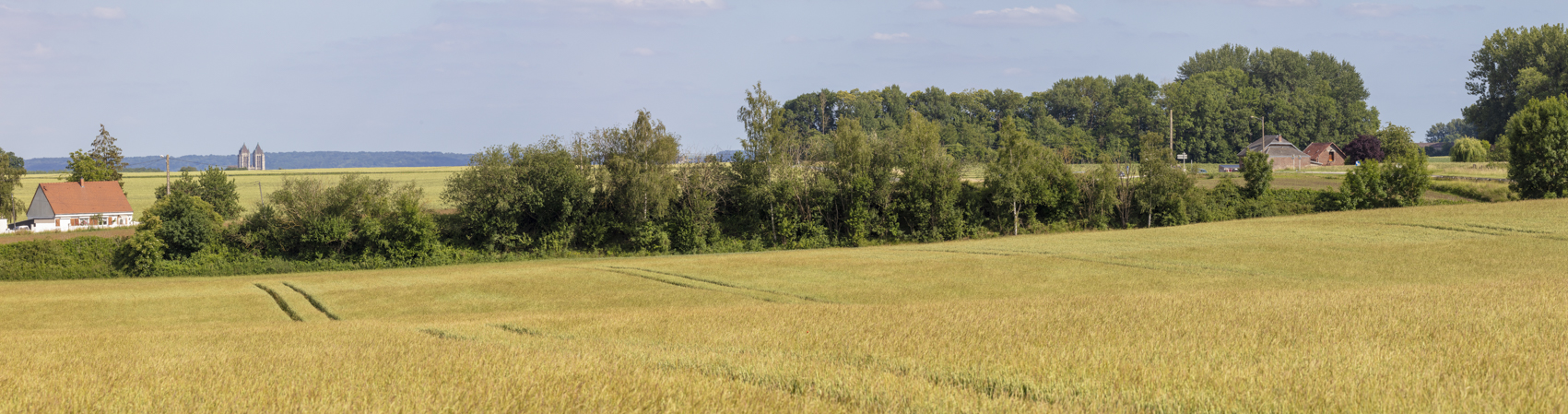
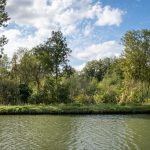
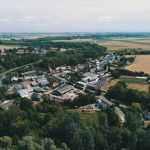
View of Noyon and its cathedral with a future view of the lock – Summer 2022 @SCSNE-Patrick Bogner
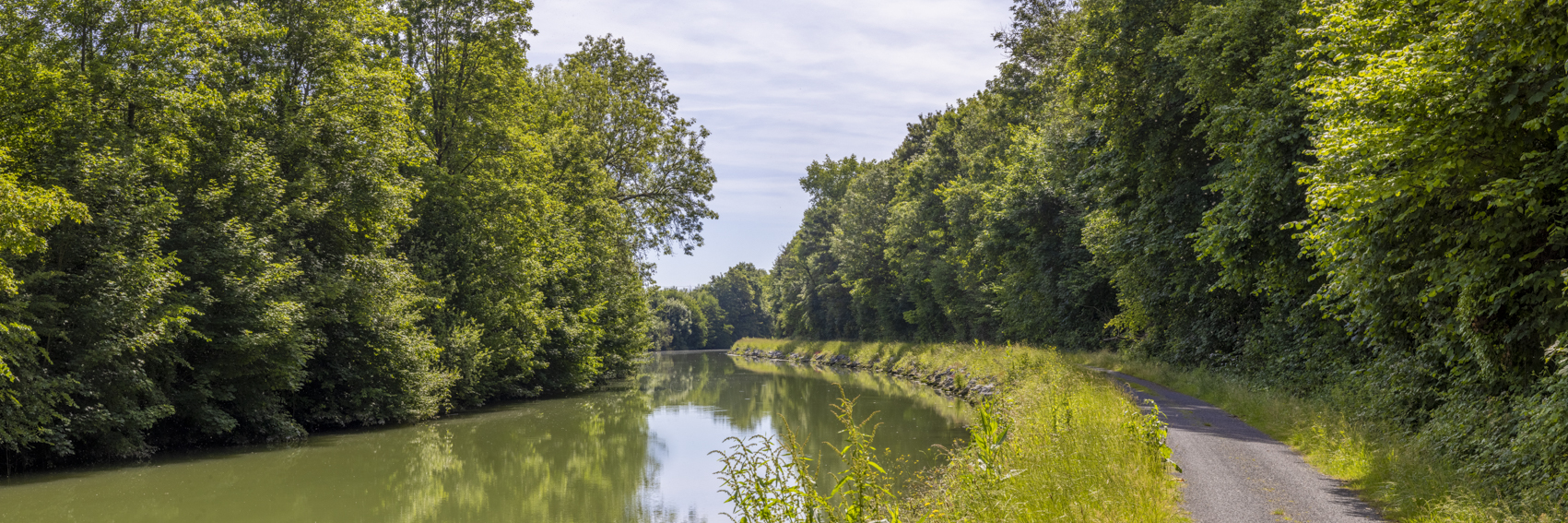
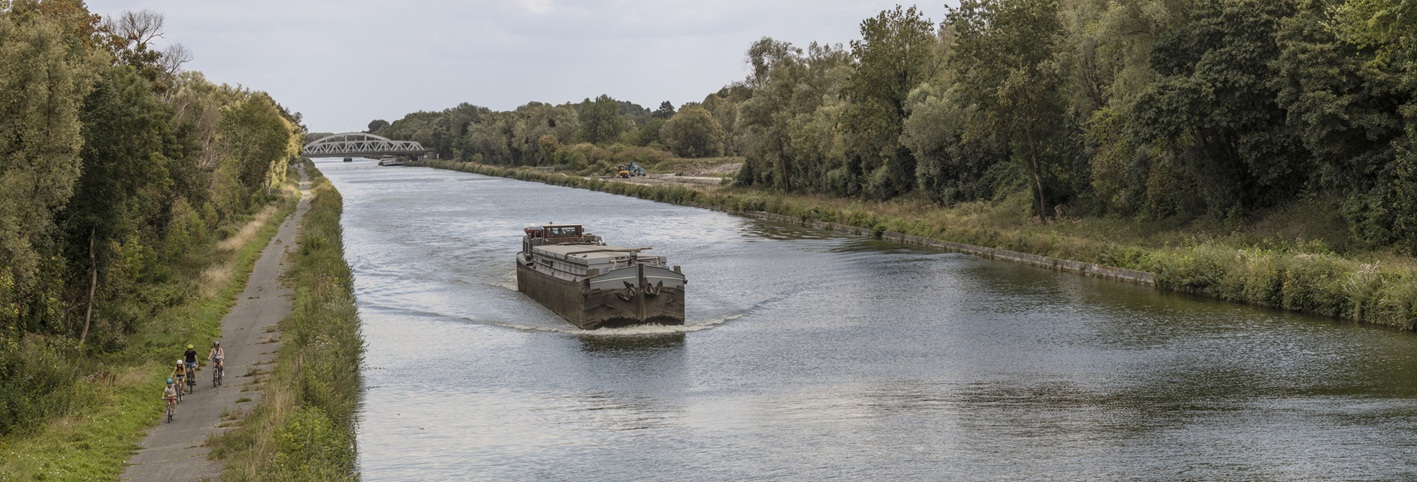
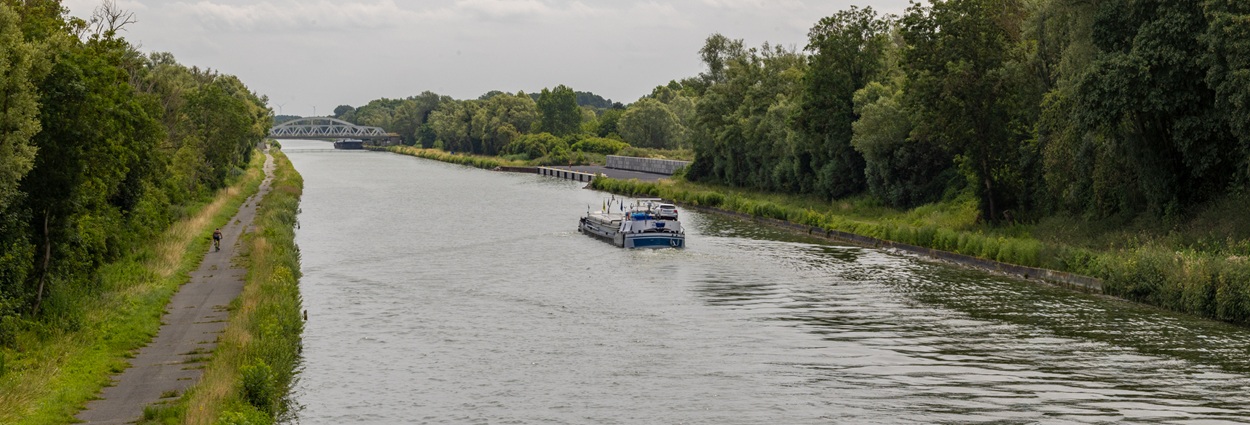
Viewpoint from the Somme Canal and the cycle route with a future view of the Somme Canal Bridge – Summer 2022 @SCSNE-Patrick Bogner
So, what exactly does this Photographic Landscape Observatory consist of?
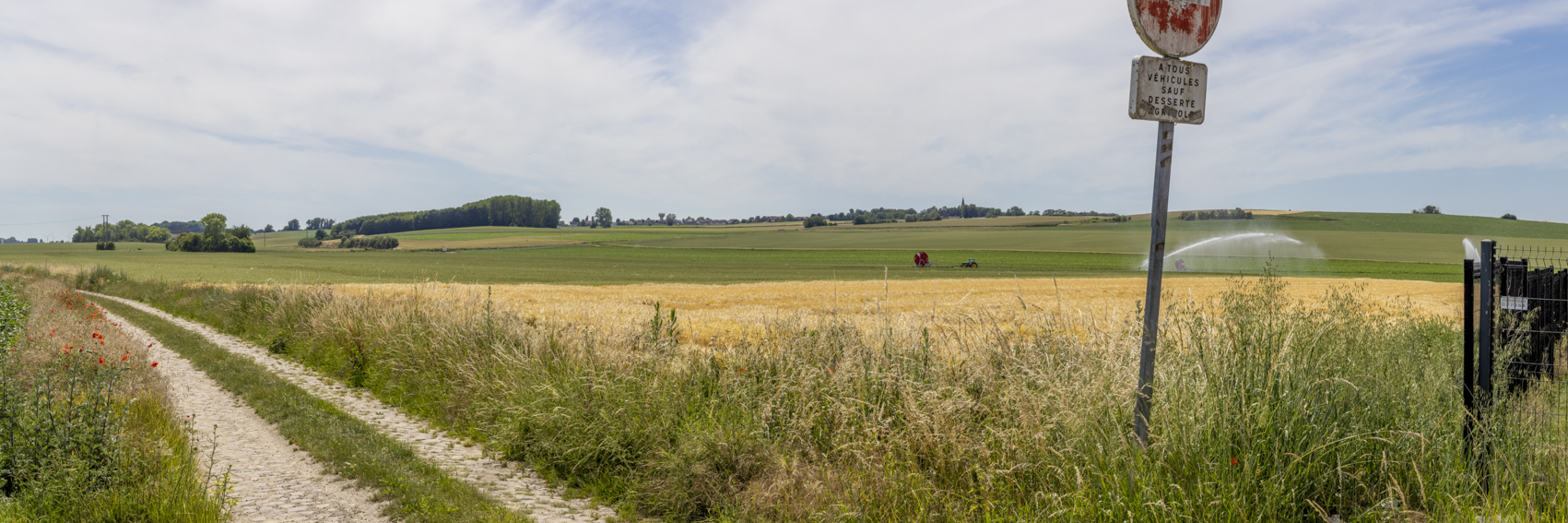
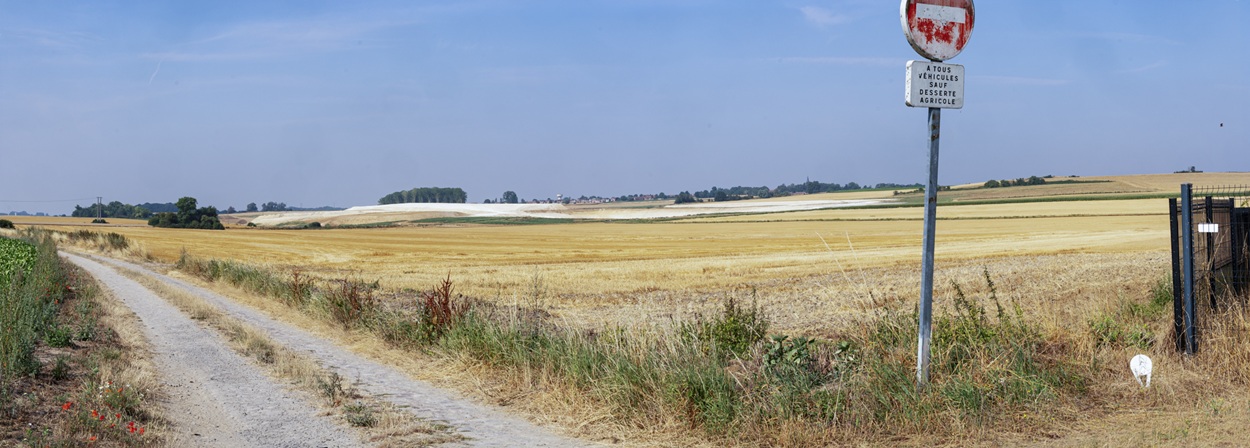
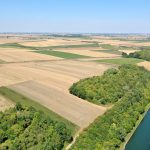
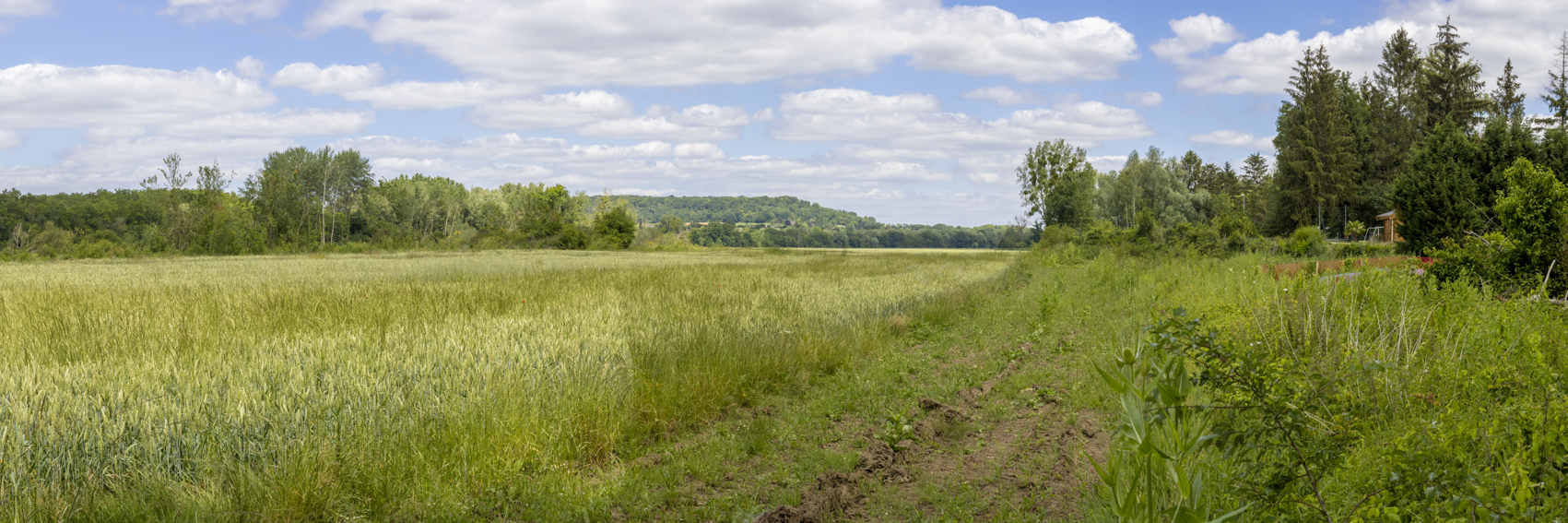
The Landscape and Architecture Commission selected 58 viewpoints across the territory, which are monitored before the start of construction, during construction, and for five years afterward (once vegetation has grown and the Canal and its structures are operational). A commissioned photographer takes a picture of each site annually: once in June, when the trees are in leaf but tall crops do not yet obscure the views, and once in February or March, before the leaves appear, to capture more distant vistas.
The photos must respect exactly the same angle and are taken at a constant viewing height of 1,65 meters, to allow us to see the real evolution of the living environment.
These annual snapshots complement the data collected as part of the monitoring program and the field visits carried out by members of the Landscape and Architecture Commission.
The sites represent different landscape challenges and sensitivities of the areas surrounding the Canal, as identified by the Commission members. These include, of course, sites that will accommodate new engineering structures such as bridges, aqueducts, locks, and buildings, including inland ports. They also include locations offering views of remarkable sites like Noyon Cathedral, or areas whose natural topography will change with the construction of the Canal, whether through large embankments or cuttings. The study also includes certain areas where the use of non-motorized transport and recreational activities is expected to increase with the planned developments near the Seine-Nord Europe Canal. Examples include new walking paths along the Tortille stream in the Somme region or in the area between the two canals near an urban district in Noyon bordering the existing Canal du Nord.
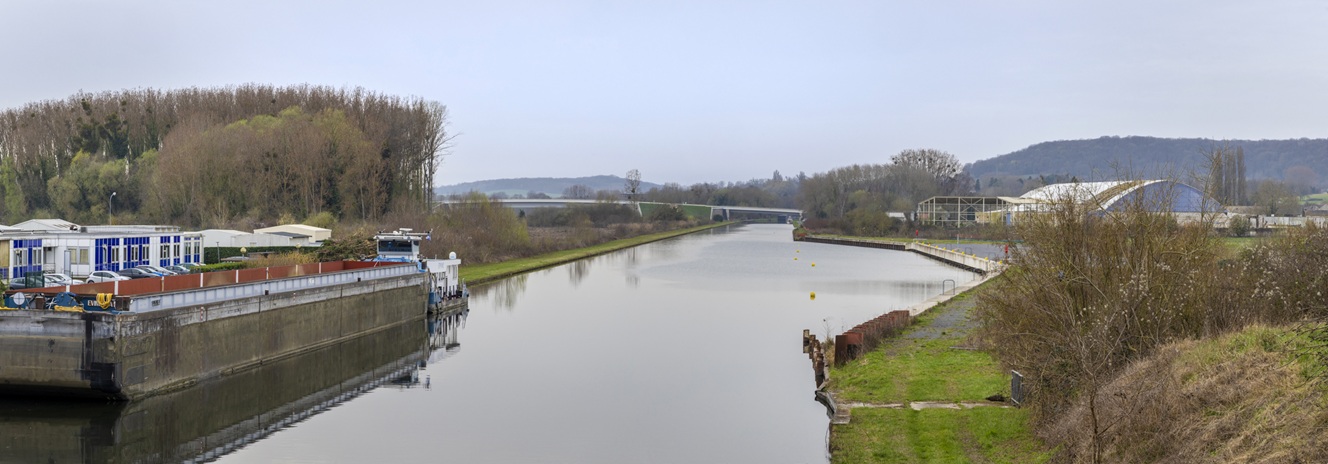
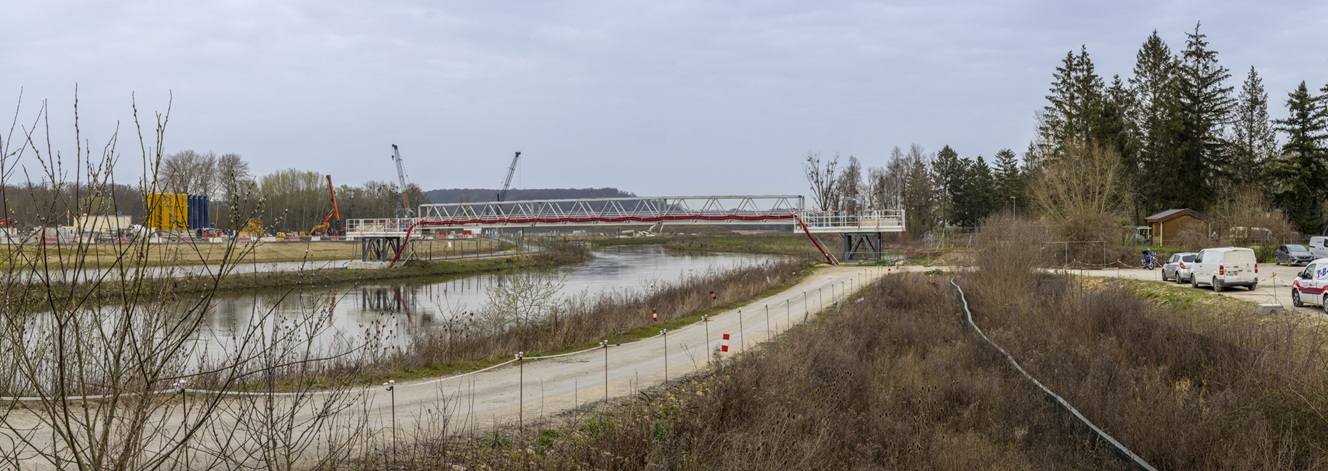
View of the future confluence between the Oise Lateral Canal and the Seine-Nord Europe Canal, with a view to the right of the completed Ribécourt quay construction site and in the background the new bridges of the RD66 – Winter 2026 @SCSNE-Patrick Bogner
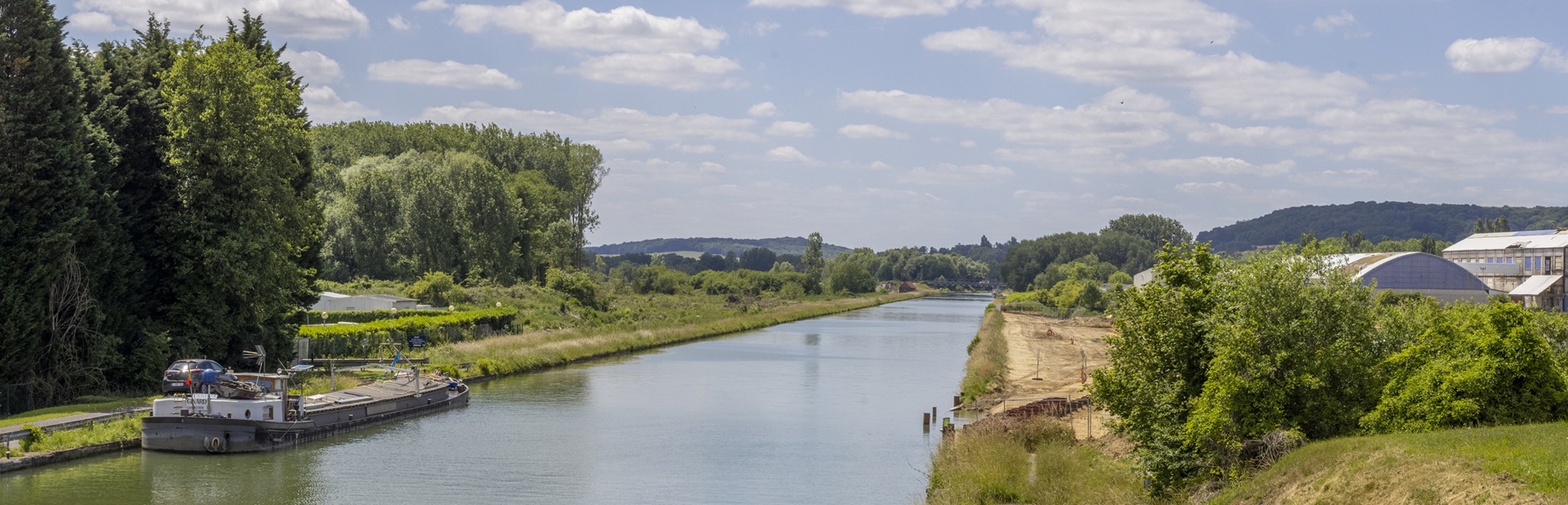
View of the future confluence between the Oise Lateral Canal and the Seine-Nord Europe Canal, with a view to the right of the Ribécourt quay construction site – Summer 2022 @SCSNE-Patrick Bogner
Viewpoint on the future Oisy-le-Verger lock – Summer 2022 @SCSNE-Patrick Bogner
View of the future Oisy-le-Verger lock under construction – Summer 2026 @SCSNE- O and JC Hecquet
One last word ?
Beyond being a tool for monitoring and preserving the landscape, I like the idea that these photos also offer a glimpse into the lives of the people building the Canal. Indeed, since the start of construction, we can now see workers at work in some of the photos.